
Charging an EV from a standard 10A household power point using the manufacturer supplied portable charger, commonly called granny charging or Level 1 charging, is legal and widely used in Australia. It delivers about 2.3kW, adding roughly 11 to 15km of range per hour depending on the car, so a full charge from near empty can take 15 to 20 hours or more. It is fine for topping up overnight if your daily driving is modest, but it is the slowest way to charge an EV.
The short version
- Granny (Level 1) charging from a standard 10A power point is legal in Australia, using the portable charger supplied with the car.
- It delivers about 2.3kW, adding roughly 11 to 15km of range an hour, so a full charge can take 15 to 20 hours or more.
- Have a licensed electrician check the specific outlet if you plan to granny charge regularly, and never use a shared power board or extension lead.
- Imported chargers rated 16A on a 10A plug can overload a normal household outlet, a real and reported hazard.
- Upgrade to a Level 2 home wallbox if you drive more than roughly 40 to 50km a day, for three to five times the charging speed.
Charging levels compared
- Level 1, standard 10A power point: 2.3kW, about 11 to 15km of range per hour. Best for overnight top ups, low daily driving, no wallbox installed yet.
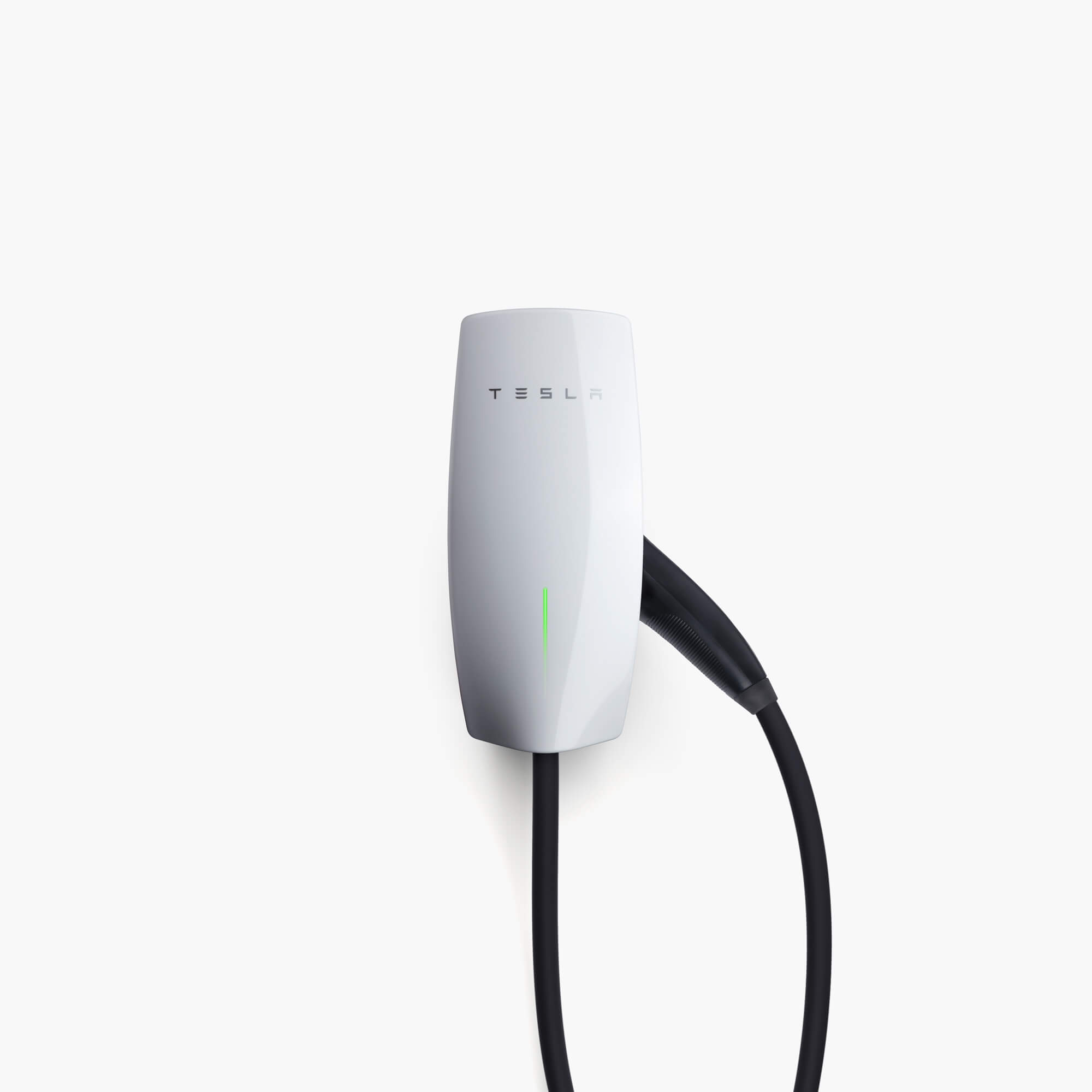
- Level 2, home wallbox: 7 to 22kW, about 40 to 120km of range per hour. Best for daily driving, full overnight charge, most home installs.
- Public DC fast charging: 50 to 350kW, 10 to 80 percent in 20 to 40 minutes. Best for road trips, top ups away from home.
Is it safe
Yes, using the portable charger your car came with, plugged directly into a dedicated, in good condition power point, not a shared power board or extension lead. The Australian Government's own energy guidance recommends getting a licensed electrician to check your home's wiring and the specific outlet before regularly granny charging, since drawing close to the full 10A rating for many hours at a time puts more sustained load on an outlet than most household appliances ever do. Older wiring, worn sockets or loose connections are the real risk, not the practice of granny charging itself.
What to avoid
Never use a shared power board, a double adapter, or a long extension lead for granny charging, and avoid running another high draw appliance on the same circuit at the same time. Be careful with imported or aftermarket "granny chargers" rated at 16A but fitted with a standard 10A plug, since these can overload a normal household outlet that was only ever designed for 10A, a genuine and reported safety hazard distinct from using the charger your manufacturer actually supplied with the car.
When to upgrade to a proper wallbox
If you are driving more than roughly 40 to 50km a day, granny charging alone often cannot replace what you use overnight, and a Level 2 home wallbox, typically 7kW, is worth the upgrade, delivering three to five times the charging speed. It is also worth upgrading if you plan to keep the car long term, since a proper installed charger is safer for sustained daily use than relying on a portable unit and a household socket indefinitely.
Does granny charging cost more or less
The electricity cost per kWh is the same whether you charge from a power point or a wallbox, since it is your electricity tariff that sets the price, not the charging equipment. The only real cost difference is time and inconvenience, granny charging simply takes much longer to deliver the same energy.
A realistic overnight scenario
A commuter driving 30km a day uses roughly 5 to 6kWh of charge, comfortably replaced by 3 to 4 hours on a granny charger overnight, well within a normal 8 to 10 hour sleep window. It is only once daily driving climbs well above that, or you need to fully empty and refill the battery in a single overnight session, that granny charging genuinely struggles to keep up.
The bottom line
Granny charging is a legitimate, legal way to charge an EV in Australia, and a sensible option if your daily driving is light or you have not yet installed a wallbox. Have an electrician check the specific outlet if you plan to use it regularly, never use a shared power board, and consider a Level 2 wallbox if your usage grows or you want a faster, more permanent solution.
Ready for a faster charge? See real pricing in home EV charger installation cost, and check running costs in how much it costs to charge an EV. Compare EVs on CarTell.tv.
Frequently asked questions
Is it legal to charge an EV from a normal power point in Australia?
Yes. Using the manufacturer supplied portable charger plugged into a standard 10A household power point is legal and common, known as granny or Level 1 charging.
How much range does granny charging add per hour?
Roughly 11 to 15km of range per hour, depending on the vehicle, delivered at about 2.3kW. A full charge from near empty can take 15 to 20 hours or more.
Is granny charging safe?
Generally yes, using the charger supplied with your car on a dedicated, good condition outlet. Government energy guidance recommends a licensed electrician check the specific circuit if you plan to use it regularly, and you should never use a shared power board or extension lead.
When should I upgrade to a home wallbox?
If you drive more than roughly 40 to 50km a day, or plan to keep the car long term, a Level 2 wallbox charging at 7 to 22kW is faster, more convenient and better suited to sustained daily use.
Does charging speed affect my electricity cost?
No. The cost per kWh depends on your electricity tariff, not the charging equipment. Granny charging and a wallbox cost the same per kWh, granny charging just takes far longer to deliver it.